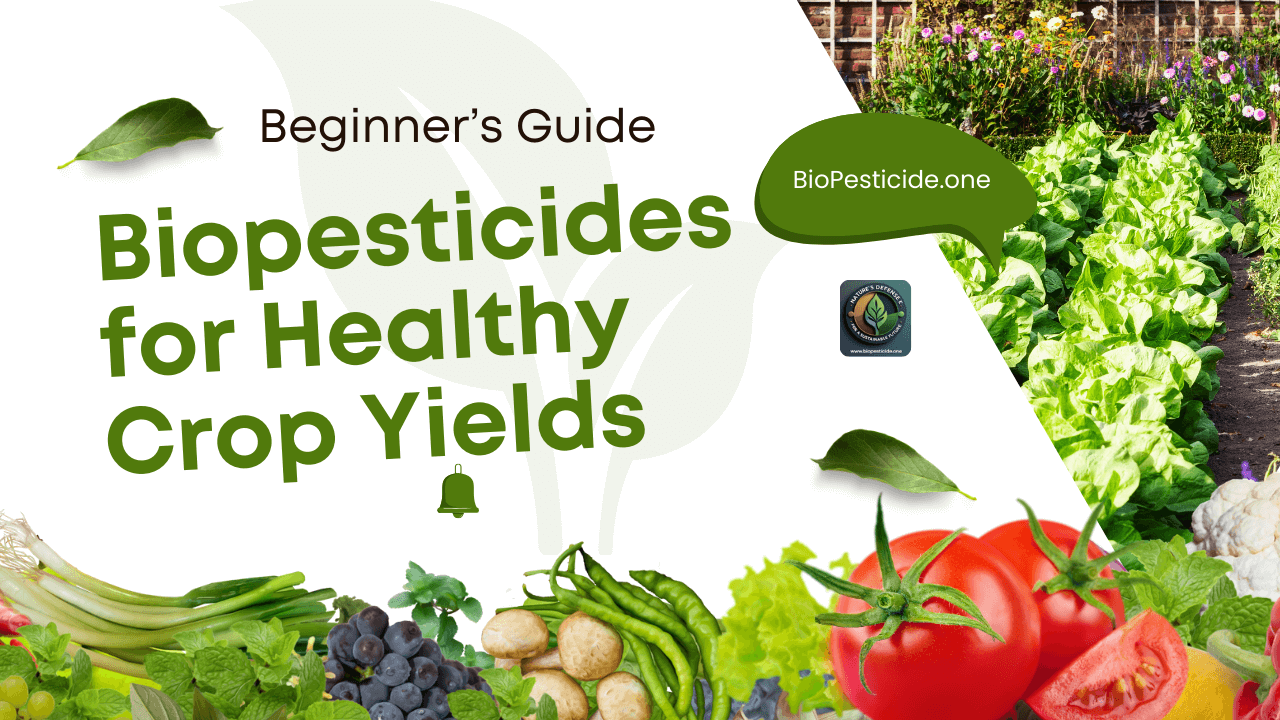
Farming today faces challenges like pesticide resistance, soil degradation, and environmental concerns. Biopesticides for crops offer a natural alternative, improving both crop health and productivity. These eco-friendly solutions are vital for sustainable agriculture and safe food production.
How Biopesticides Improve Crop Yields
Biopesticides work by controlling pests and diseases using natural organisms or compounds. Benefits include:
-
Reduced chemical pesticide usage
-
Safer for soil, water, and beneficial insects
-
Increased crop resistance to diseases
-
Higher quality and yield
Farmers who adopt biopesticides notice healthier plants and better productivity over time.
Types of Biopesticides for Farmers
-
Microbial Pesticides – Contain microorganisms like bacteria, fungi, or viruses to target specific pests.
-
Plant-Incorporated Protectants (PIPs) – Genetically modified plants producing natural insecticidal proteins.
-
Biochemical Pesticides – Natural substances like pheromones, plant extracts, or essential oils.
Using the right type for your crops ensures maximum protection and yield improvement.
Sustainable Agriculture with Biopesticides
Integrating biopesticides into farming practices supports:
-
Soil health
-
Biodiversity conservation
-
Reduced chemical residues
-
Eco-friendly farming certifications
This makes biopesticides a crucial part of sustainable agriculture strategies.
Best Practices for Using Biopesticides
-
Identify the specific pests affecting your crops
-
Follow manufacturer guidelines carefully
-
Combine with other integrated pest management (IPM) techniques
-
Monitor crop response regularly
Correct usage ensures optimal yield and plant health.
Final Thoughts
Biopesticides for healthy crop yields are no longer optional—they are the future of modern farming. By embracing natural pest control, farmers can increase productivity, reduce environmental impact, and produce safer, higher-quality crops.
Sustainable farming with eco-friendly biopesticides is a win-win for farmers, consumers, and the planet.